
Find Resources for Kinship Caregivers
Kinship Care Navigator
Caring for a relative child can bring questions about legal options, financial support, child care, school, health, culture, and more. TTCP is developing this resource hub to make it easier for kin caregivers to find trustworthy information and support while keeping children connected to family, culture, and community.
.svg)
What can we help you find?
Choose a topic to find information, services, and organizations that may be able to help.





Find Help Now
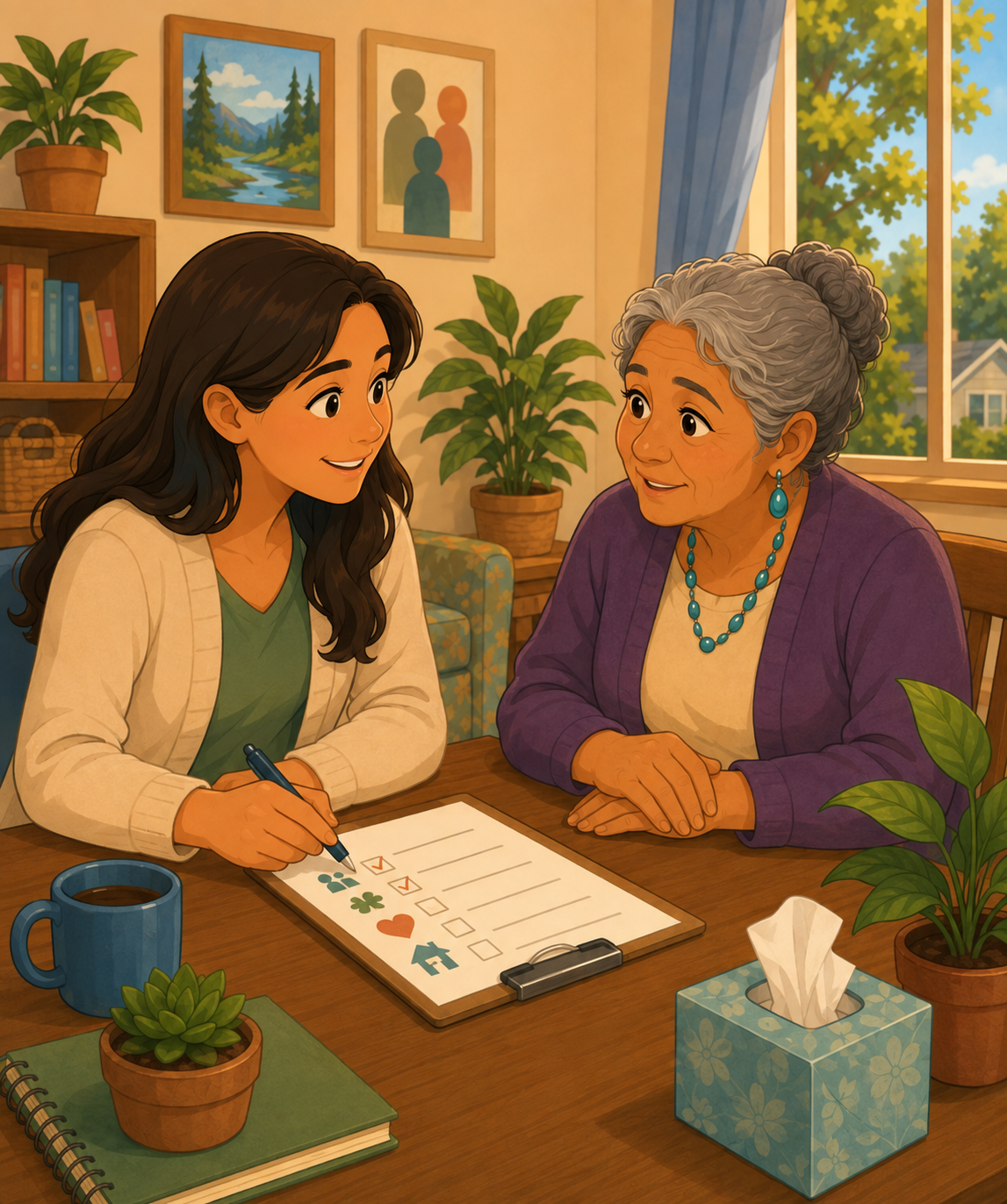

Find a Kinship Navigator
Connect with a Minnesota program for help finding legal, financial, emotional, and community support.

Get Help With Basic Needs
Contact Minnesota 211 anytime for free, confidential help finding food, housing, child care, health services, and more.

Explore Kinship Care Questions
Use a free, self-guided tool to find answers about caregiving options, financial help, school, health care, and more.
Find Minnesota Tribal Support
Bois Forte Band of Chippewa Indians
Fond du Lac Band of Lake Superior Chippewa
Grand Portage Band of Lake Superior Chippewa

Leech Lake Band of Ojibwe
Lower Sioux Indian Community
Mille Lacs Band of Ojibwe
Prairie Island Indian Community

Red Lake Band of Chippewa
Shakopee Mdewakanton Sioux Community
Upper Sioux Indian Community
White Earth Band of Minnesota Chippewa Tribe

What is kinship care?
Kinship care keeps children connected
Kinship care is when a relative or trusted adult with an important relationship to a child steps in to provide care. Kinship caregivers may become involved through formal systems: such as child protection, courts, legal arrangement – or – through an informal decision to take care of a child. For our tribal communities, this is a very common practice. For tribal families kinship care can help preserve relationships for children within their extended family and community. Kinship care arrangements keep tribal children connected to culture and their tribe.

What a Kinship Navigator can help you find
Every kinship family is different. A navigator can help caregivers sort through information, identify useful resources, and connect with the support that fits their situation. Planned areas of support include:

Information and referrals
Find and understand available Tribal, state, and community resources.
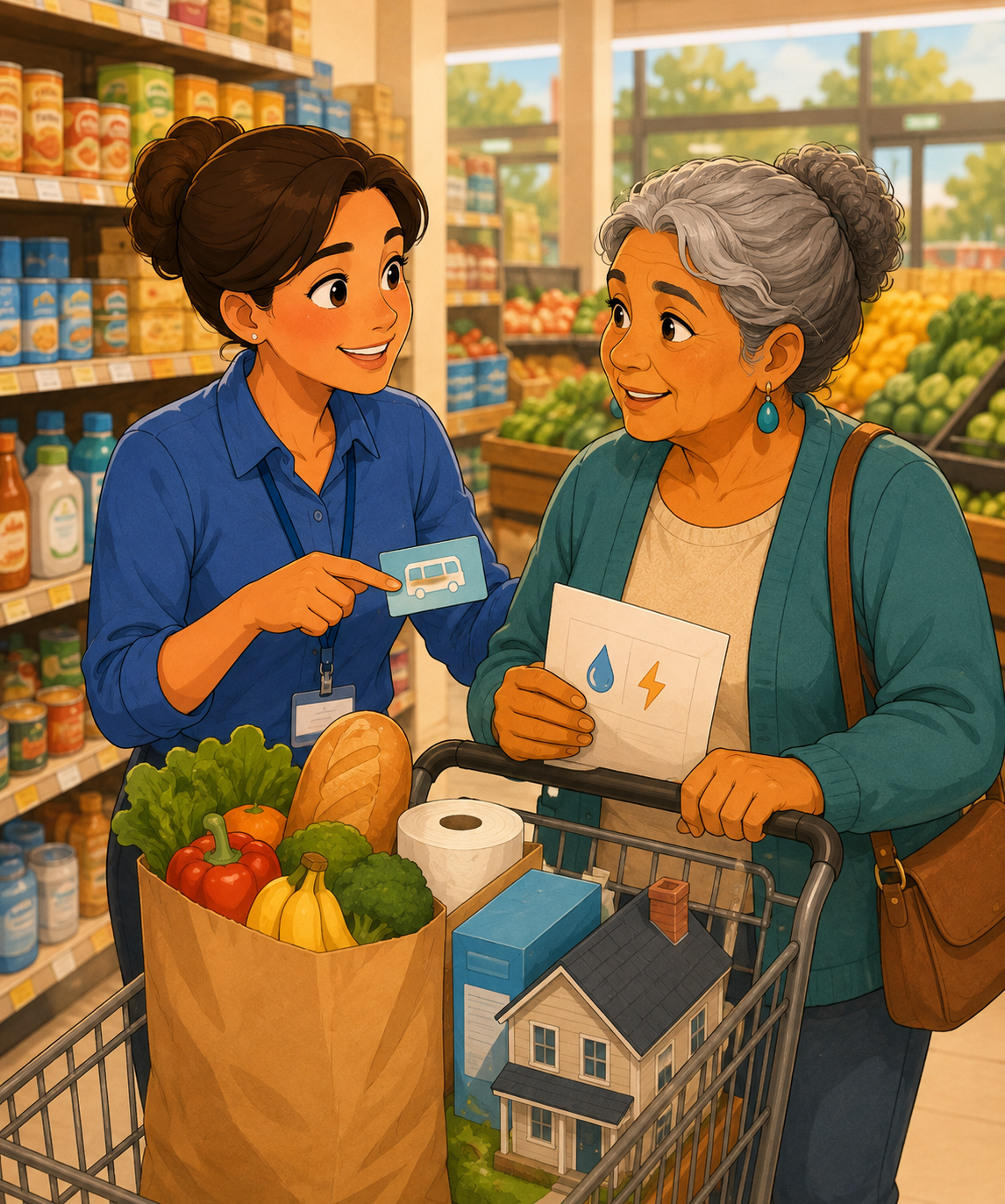
Benefits and basic needs
Identify programs that may help with financial stability, food, energy, housing, education, employment, and other family needs.
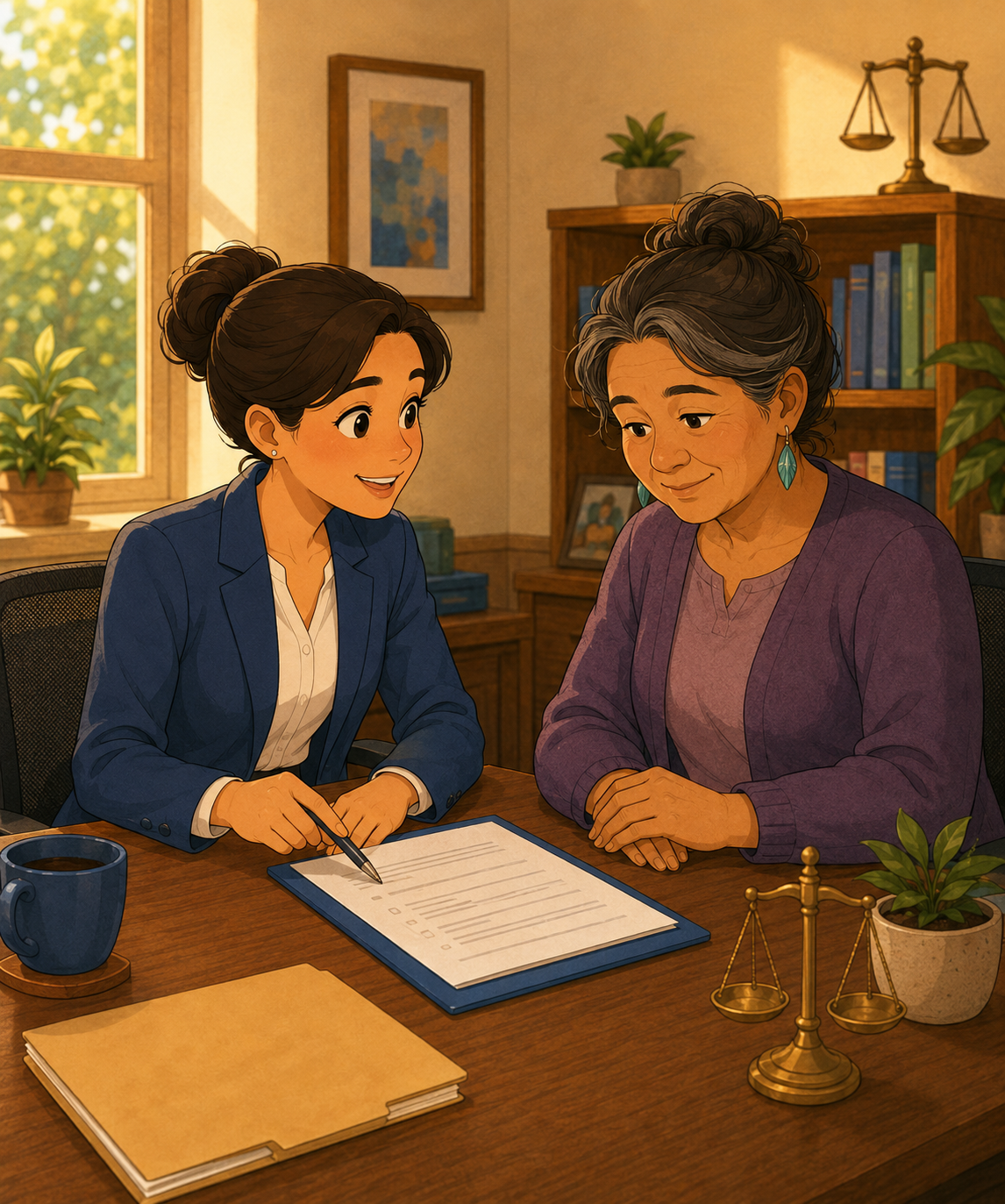
Legal information and options
Find plain-language information and referrals related to caregiving arrangements, child welfare, and other questions.
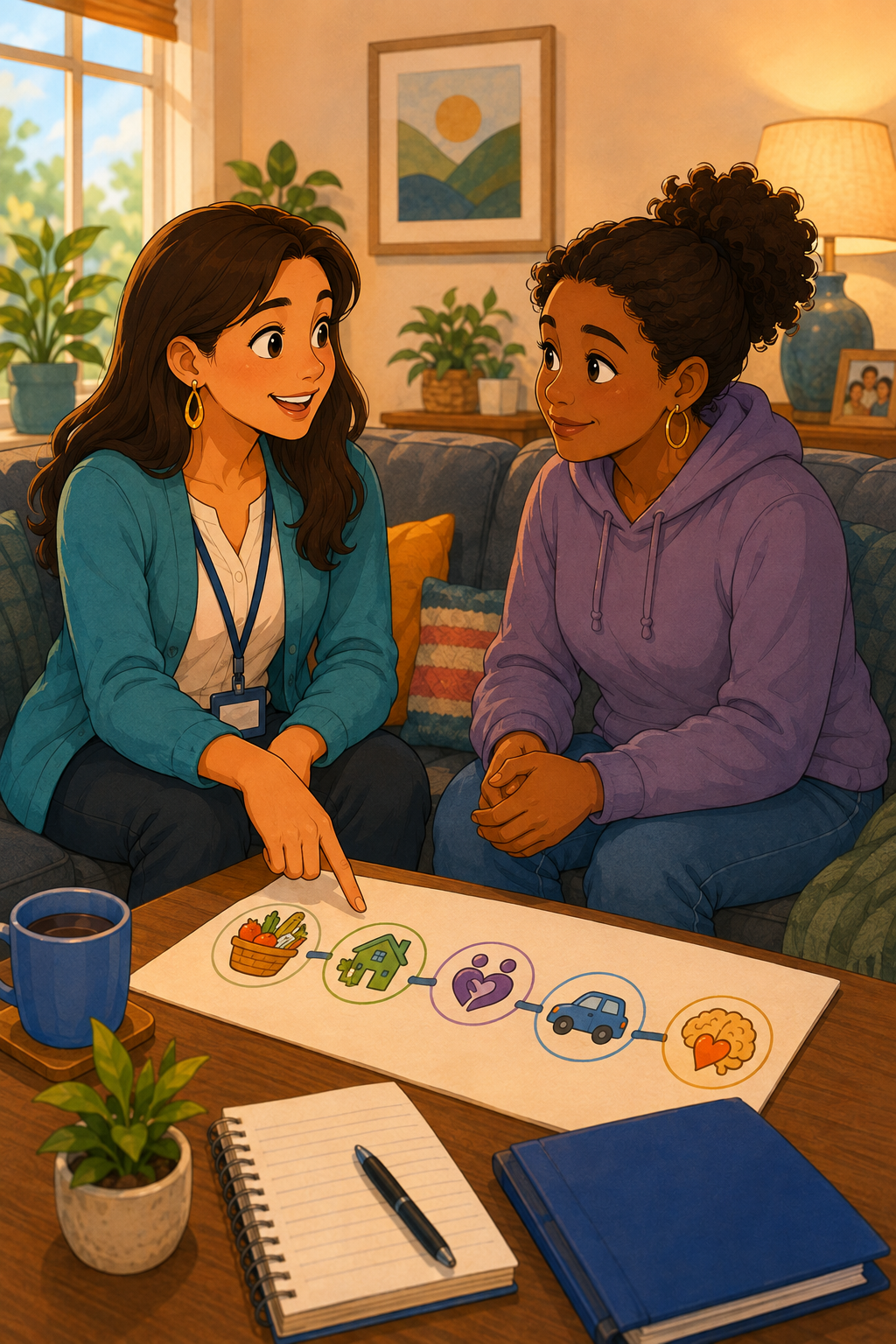
Individualized navigation
Sort through priorities and receive more coordinated help when a family's situation requires ongoing support.

Peer connection
Connect with other kinship caregivers through planned support opportunities, offered in person or virtually when available.
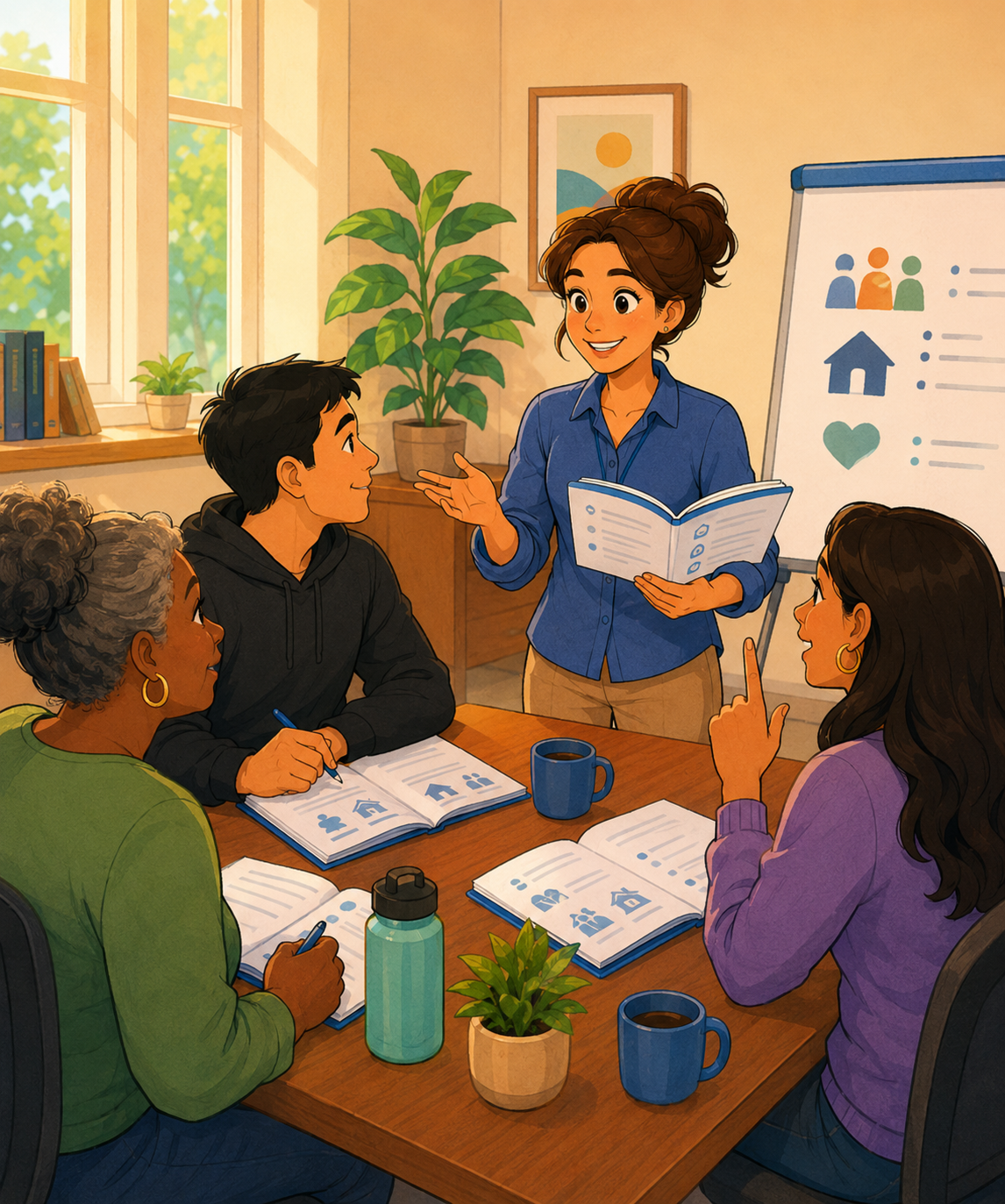
Caregiver learning
Access training, events, and practical information created for kinship caregivers.

How it works
A path to support
Step 1
Connect
Reach out directly or connect through a participating Tribal or community agency.

Step 2
Talk with a navigator
Share what is happening, what support you already have, and what would be most helpful.
Step 3
Choose the right level of help
Some families may need information and referrals. Others may benefit from a fuller needs assessment and coordinated navigator support.

Step 4
Stay connected
When ongoing help is appropriate, the navigator can follow up and help address changing needs.

Our Tribal Approach
Built with Tribal communities
The Washington State Kinship Navigator program provides kinship navigators who assist caregivers with connections to support services. These support services may include legal services, behavioral health and medical services, insurance, financial, educational and other. Navigators also provide peer to peer support groups for caregivers. Case management by navigators is also offered to families with longer term or more intensive needs. Urgent needs funding provides help with brief emergency needs of families. Overall, this model appeared to be the closest replicable program that tribes can make adaptations to in order to implement it in a culturally based program.
If the TTCP is awarded a federal grant application, it will work with all 11 tribes to offer kinship navigators and implement this model for tribal families with tribal adaptations. The tribes and TTCP, along with caregivers and youth with lived experience, will work in partnership to identify the cultural adaptations and make continuous quality improvements throughout. The TTCP will work in partnership with DCYF to identify IV-E reimbursement pathways for tribes with agreements as well as advocate for alternative funding for kinship navigator allocations to tribes without agreements. Ultimately, the tribes will be able to take over the kinship navigator program at the end of the project, with program manuals and training in place for tribal kinship navigators.
Minnesota Help and Caregiver Resources
Explore kinship resources

Important terms to be aware of
Understanding the basics
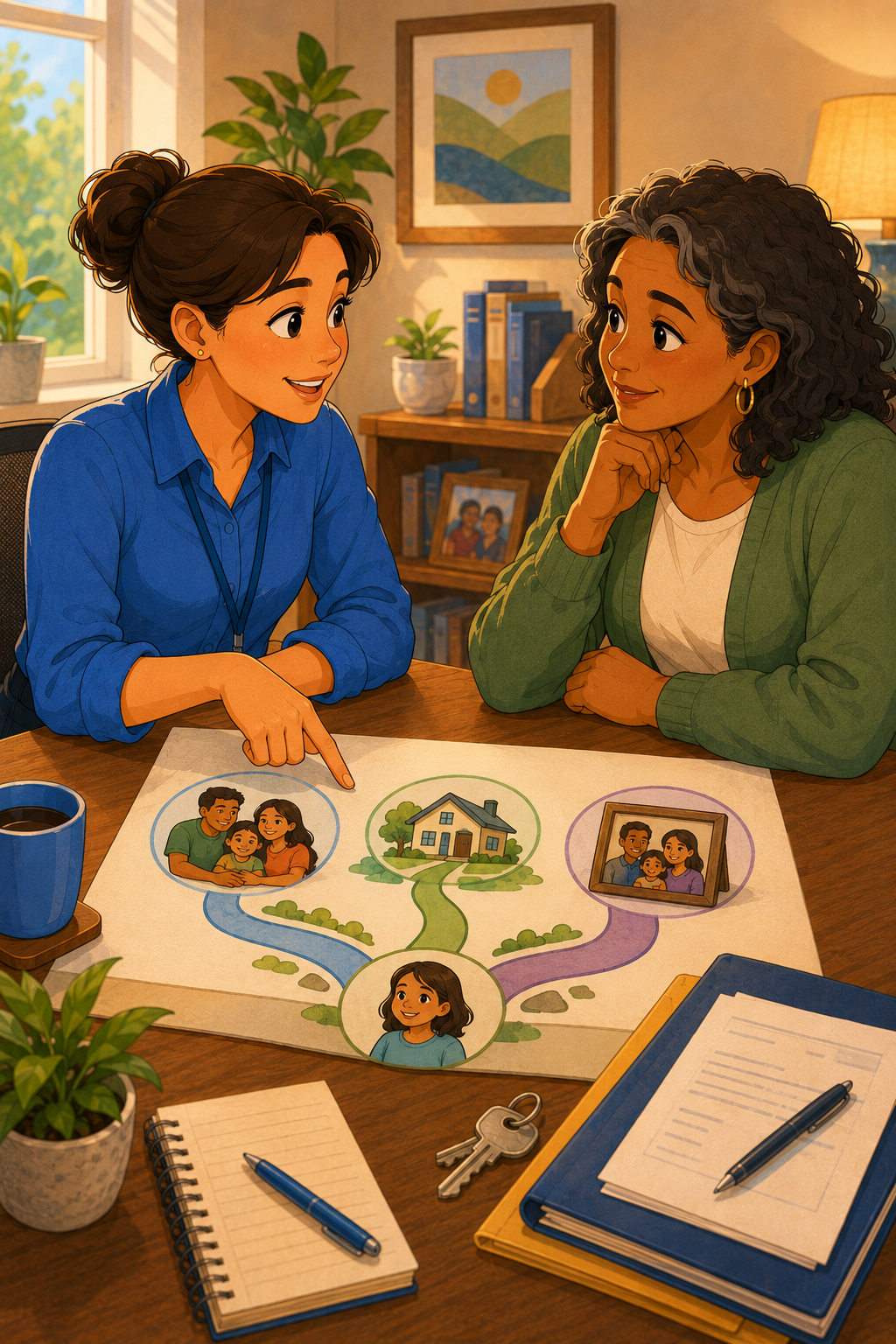
Tribal codes (law) or tribal customs (unwritten law) define relative or kin in tribal communities. In Minnesota statute, a relative is defined as someone connected to a child by blood, marriage, or adoption; the parent, guardian, or custodian of a sibling; or an important friend or other person with a significant relationship to the child or family.
The authority to make major decisions for a child, including decisions about education, health care, and religious upbringing.
The authority to make decisions about a child’s day-to-day care and where the child lives.
A written document that allows a parent, legal custodian, or guardian to temporarily give another adult authority to care for a child and make certain decisions. It does not transfer legal custody, generally lasts no more than one year, and does not require a court order. Tribal courts that have a family court service can assist with more formalized custody arrangements when the family wants this instead of a DOPA. (Copy this link for sample DOPA form: https://www.vlnmn.org/wp-content/uploads/2017/07/4.01C-Eng-DOPA-Sample-Form_Lawhelpmnmn.pdf)
The part of the court system that handles custody and other family matters when there is no open child-protection case involving the child.
Tribal courts vary in how custody is ordered. Tribal courts may have a family court, may recognize DOPA forms, may have other specialty courts. Tribal court codes will outline third party custody, so for more information please review the specific tribal court code. Many tribal courts in Minnesota post their legal codes online or will provide it upon request.
A court-approved agreement in which a parent transfers legal and physical custody to another person. Everyone involved must agree, and the order may be temporary or permanent.
A court order giving legal and physical custody of a child to someone who is not the child’s parent. The nonparent seeking custody starts the case. This is generally used when child protection is not involved.
When child protection is not involved

When child protection or foster care is involved
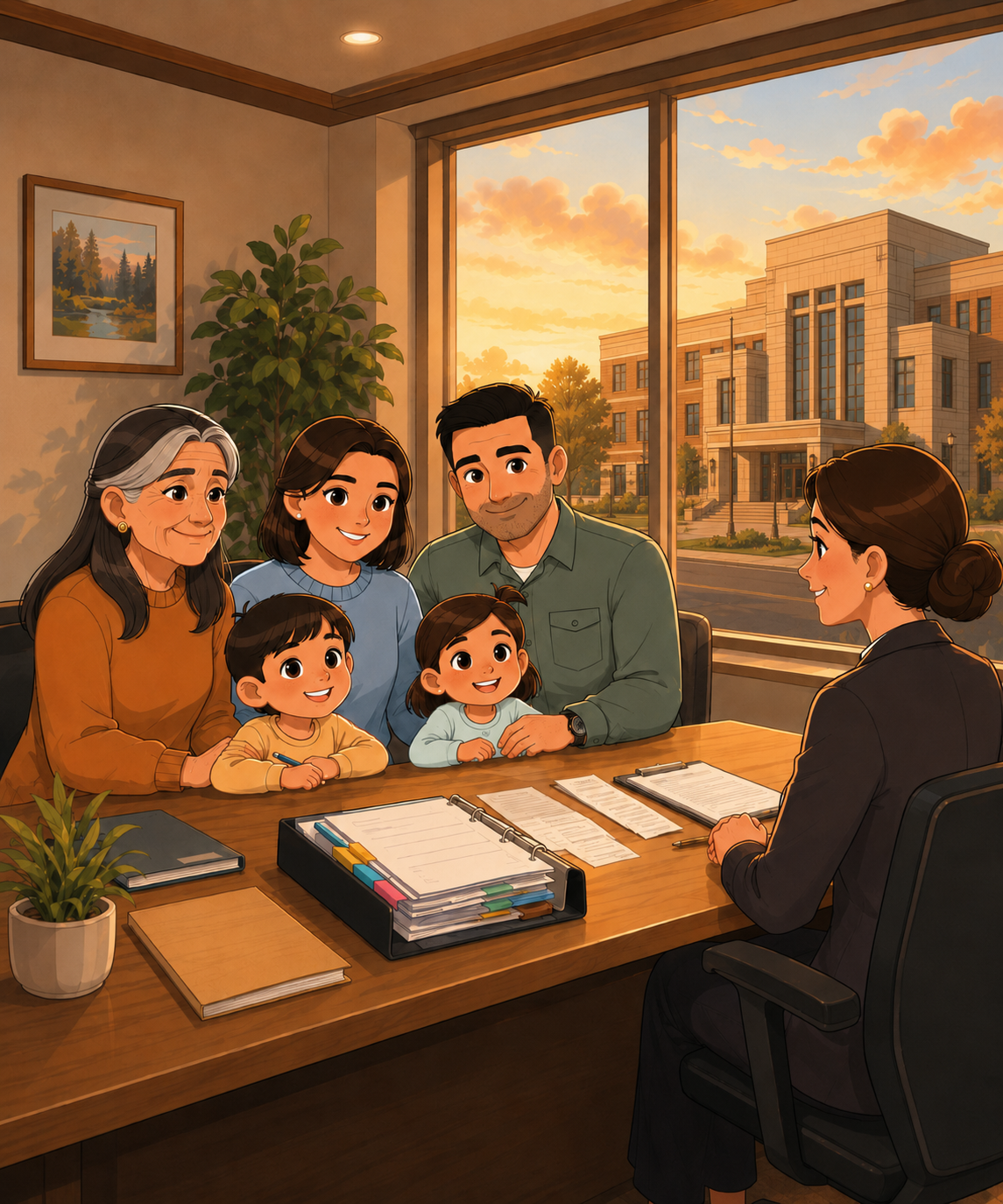
County or Tribal child protection agencies respond to reports that a child may have been abused or neglected. They assess safety and may connect the family with services or remain involved to help protect the child.
Temporary care for a child who cannot live with a parent for a period of time. A child may be placed with relatives or kin, unrelated foster parents, or another approved setting. Foster parents are usually licensed by the tribe or another agency and are paid a basic monthly rate to care for the child. In addition, the child is enrolled in the medical assistance program to help cover healthcare needs.
This is a specialty branch within a state district court. Some tribes have juvenile court divisions but many have family court that handle juvenile matters. In state district court, a juvenile court may handle child-protection and foster-care matters, including CHIPS cases, adoption from foster care, and transfers of permanent legal and physical custody.
This is a permanency option found in Minnesota statute and used in state district courts in child protection cases. A juvenile court orders giving a relative permanent legal and physical custody of a child in foster care. The relative becomes the child’s primary caregiver and decision-maker through adulthood. Birth parents remain legal parents, but their rights are secondary and may be limited by the order. Under a TPLPC order the child may be eligible for Northstar Kinship assistance that is equal to the foster care payment until the child turns 18, and the child retains M.A. insurance. Tribal courts may offer a transfer of custody. Several tribal courts in Minnesota offer this alternative, although it may not be called a TPLPC and may come with a different term, it essentially operated in the same way. Custody is transferred to a relative or kin, and they may be eligible for Northstar Kinship assistance and M.A.
Adoption is practiced differently in state court than in tribal customs. Most tribes practiced the custom of making more relatives for a child when needed. The practice did not involve severing ties to their biological parent. There are traditional origin names in the language for these practices, depending on the tribe, as well as specific ceremonies that incorporate this practice. Again, those ceremonies vary from tribe to tribe. In Minnesota, both the Dakota and Ojibwe tribes have a traditional practice of making more relatives for a child. Not all tribal courts have incorporated this ceremonial practice into court codes, however, so not all tribes utilize an adoption practice as a permanency outcome in child protection cases. In State Court, adoption is a court process that creates a permanent legal parent-child relationship. The adoptive parent assumes the legal rights and responsibilities of a parent, and the biological parent’s rights are terminated by the court. The child may be eligible for ongoing MA insurance and northstar permanency payments.
Customary adoption is a ceremonial practice from time immemorial that was practiced by several tribal nations. It involves a ceremony that recognizes making more relatives for a child, who are assuming responsibility for the child. Some tribal child protection systems have included this ceremonial practice into tribal courts as an acceptable permanency outcome for the child. The ceremony occurs, and then is recognized in tribal court by fact witnesses. This traditional practice preserves the child’s connections to family, culture, and Tribe, while not severing parental connections. It makes more relatives for children rather than severing the child’s ties to their family. When Tribal law allows, customary adoption occurs without terminating the birth parents’ rights, and the Tribal court determines how these relationships will continue in the best interests of the child. The child may be eligible for ongoing MA insurance and northstar permanency payments.
A termination of parental rights is a court order ending a birth or adoptive parent’s legal rights and responsibilities to a child. The person is no longer the child’s legal parent, and they are no longer allowed to have a connection to the child, legally. Minnesota allows parental rights to be restored only in limited circumstances. This practice is largely oppositional to tribal customary practices. Most tribal courts in Minnesota don’t allow TPR’s unless there is egregious harm by the parent.
CHIPS is a state district court term meaning there is a child protection case involving the child. A juvenile court case involving a child’s health, safety, or welfare. A CHIPS case may involve abuse, neglect, truancy, running away, voluntary placement, or another situation in which a child needs protection or services. See the Minnesota Judicial Branch CHIPS overview. In tribal courts, the proceedings may be called something else in code. However, the framework in tribal court codes include protection of a child for their health and safety; and provides authority to a tribal agency to look out for the child and family’s welfare.
Long-term legal arrangements and outcomes
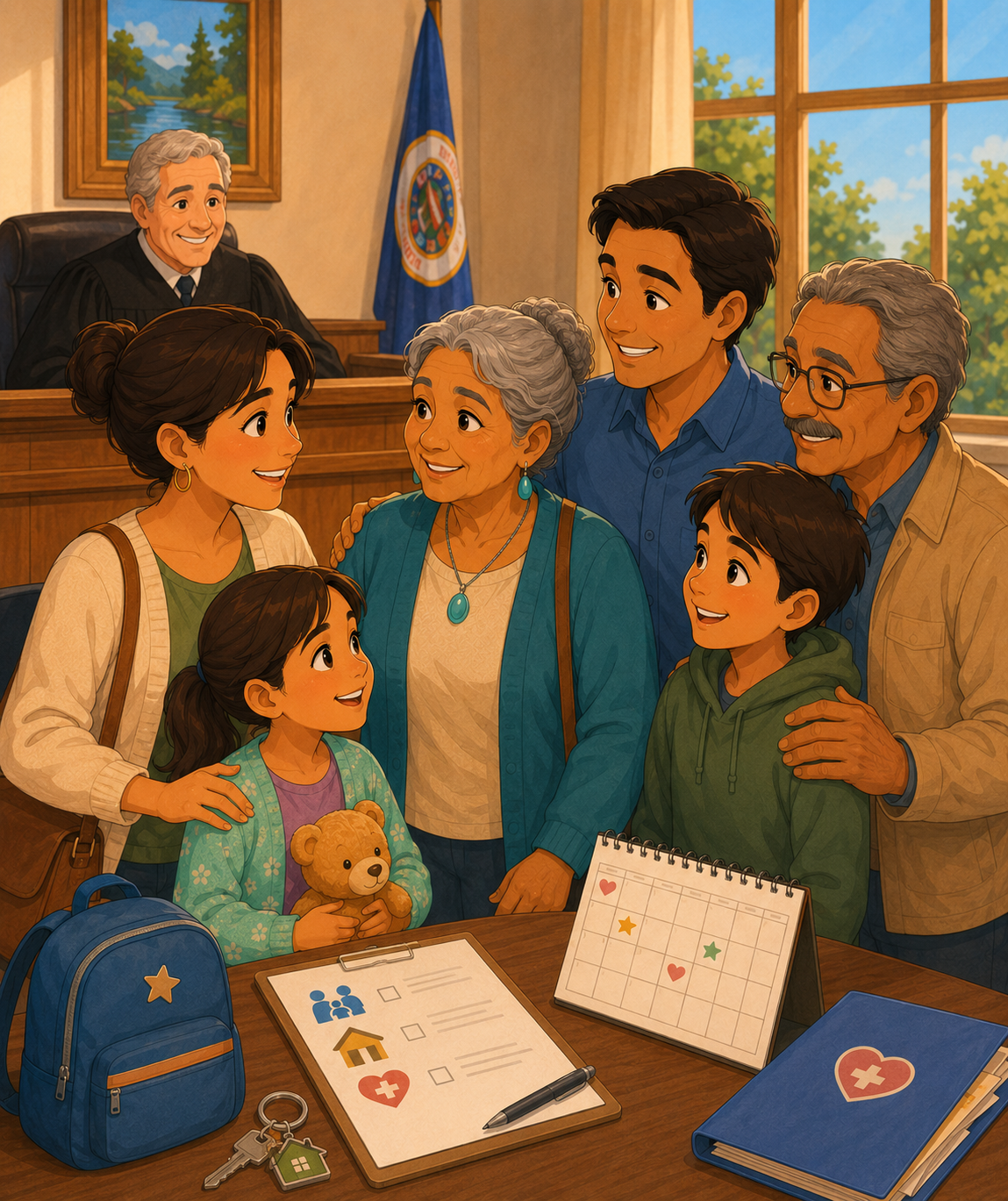
Permanency
Did you know? Did you know that the tribes in Minnesota introduced two permanency alternatives that are broadly utilized today? White Earth Band of Ojibwe was the first tribe to utilize customary adoption as a permanency alternative in tribal court proceedings and avoid the application of a termination of parental rights.
Did you know that the tribes in Minnesota, through the ICWA Advisory Council, introduced the alternative permanency outcome called permanent transfer of legal and physical custody? Following the passage of ASFA the tribes objected to the mass filings of termination of parental rights on tribal parents in state court and advocated for an alternative pleading that looked closer to guardianship. The tribes worked with DHS to create this alternative pleading and today it is one of the most popular permanency options used in the State.
Tribal courts vary on permanency language in codes (law). Some of our Minnesota tribes have customary adoption in code and some do not. There are alternative terms used for transfer of custody to a relative or kin found in tribal codes.
Common questions about kinship care
Kinship FAQ's
Kinship care is when a child is raised by a relative or another adult with an important family-like relationship to the child. Kin caregivers may include grandparents, aunts, uncles, adult siblings, extended family members, Tribal or customary kin, godparents, and close family friends. Care may be arranged privately by the family or through child welfare or the courts.
No. Kinship resources may be available whether your caregiving arrangement is informal, involves child welfare, or is supported by a legal arrangement such as custody, guardianship, foster care, or adoption. Eligibility for individual programs, benefits, and services will vary.
The right option depends on your family’s circumstances. Possibilities may include a Delegation of Parental Authority, often called a DOPA, or a court order involving custody, guardianship, foster care, transfer of permanent custody, or adoption. These options provide different levels of authority and may affect parental rights, financial assistance, and how long the arrangement lasts, so consider speaking with an attorney before deciding.
You may need documentation showing that you have permission or legal authority to make decisions for the child. Depending on the situation, this could include a DOPA, court order, foster-care placement document, or another signed authorization. Ask the school, health-care provider, or child-welfare worker what documentation is required, and seek legal help if you are unable to obtain it.
Depending on your circumstances, your family may qualify for cash or food assistance, health coverage, child-care assistance, child support, foster-care payments, or Northstar Kinship Assistance. Eligibility may depend on the child’s legal status, the caregiving arrangement, household income, and whether child welfare is involved. A kinship navigator or your county or Tribal Nation human-services office can help you identify programs and apply.
Want to Chat, Lets Connect!


.svg)
.svg)
.svg)