
ICWA & MIFPA Rights
Information for Families
Learn about important protections for American Indian children, parents, Indian custodians and family caregivers, and Tribal Nations under ICWA and MIFPA in Minnesota.
.svg)

Important
On This Page
Click Below to Jump to The Section You Need

ICWA and MIFPA May Apply Before Membership is Confirmed
When these laws may apply

Share Tribal Connections

Important protections for families
Your Tribe and your voice
When an agency has information that a child may be an Indian child, it must notify the potentially connected Tribe or Tribes. The Tribe—not the agency or court—determines membership or eligibility. Minnesota law also requires early Tribal involvement in evaluating family circumstances, identifying resources, and developing service plans.
In covered child-placement proceedings, parents, Indian custodians, and the child’s Tribe must receive formal notice of the case and information about important rights.
The child’s parents, Indian custodian, and Tribe have rights to intervene in a state-court child-placement proceeding. Minnesota law also permits remote participation in many hearings, although a court may require a parent or custodian to attend some trials or contested hearings in person.
In many cases, a parent, Indian custodian, or Tribe may request transfer from state court to the child’s Tribal court. Jurisdiction and transfer rules depend on the child’s residence, domicile, wardship, objections, and other legal factors.
Before a court orders certain placements or permanent outcomes, the agency or petitioner must show that active efforts were made to prevent the removal and reunify the Indian child with their family. These efforts must be meaningful, tailored to the family, culturally appropriate, and carried out with the child, parents or Indian custodian, extended family, and Tribe.
When an Indian child must be placed outside the home, ICWA and MIFPA establish placement preferences that prioritize parents or Indian custodians, extended family, Tribal homes or other placements recognized by the Tribe. The court must also consider the preferences of the parent and child, and Minnesota law directs agencies and courts to defer to the Tribe’s judgment about suitability.
In covered voluntary placements, termination, and adoption matters, consent must meet special legal requirements. In Minnesota, consent generally must be written, recorded before a judge, and given only after the terms and consequences are fully explained and understood.
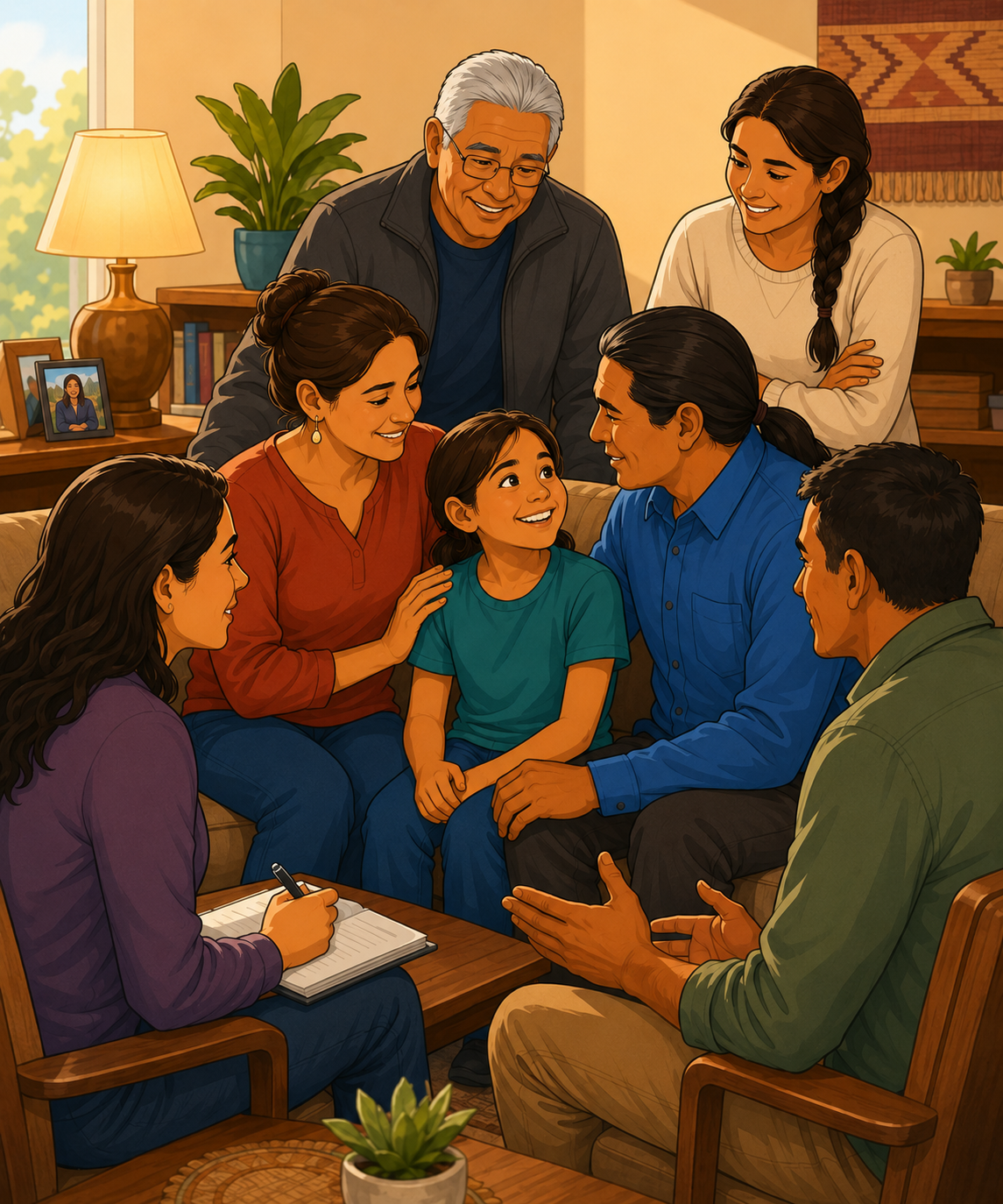
Keeping family and Tribal connections at the center
Legal protections available to you
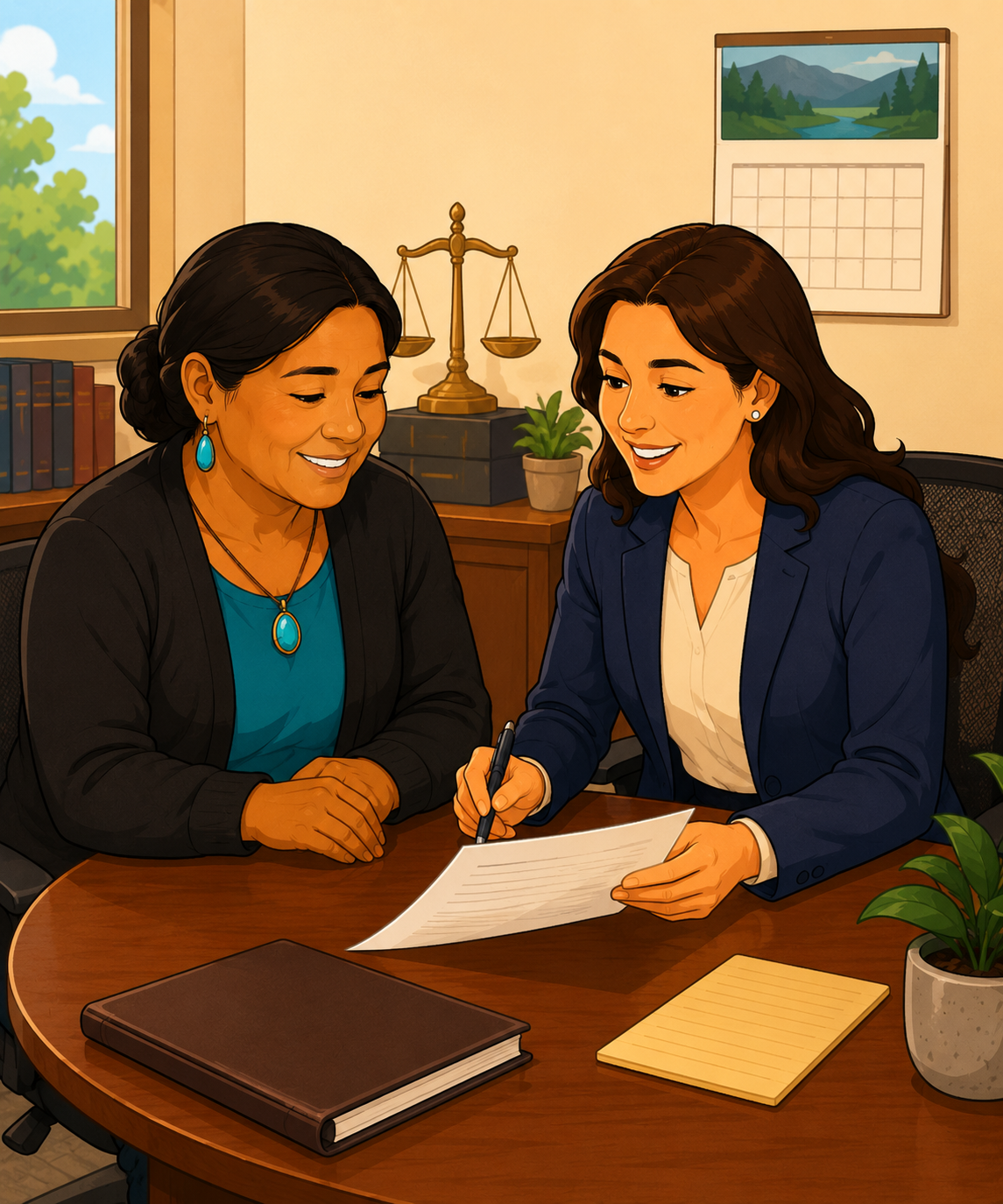
Parents and Indian custodians have the right to be represented by an attorney in state-court child-placement proceedings involving an Indian child. Court-appointed counsel may be available under Minnesota law. Ask the court or your attorney how this applies in your case.
The parent, Indian custodian, or Tribe may request up to 20 additional days to prepare for the initial child-placement hearing.
ICWA and MIFPA require heightened evidence and qualified-expert-witness testimony for certain involuntary placements and termination-of-parental-rights proceedings involving an Indian child.
If certain ICWA requirements were violated in a foster-care placement or termination-of-parental-rights action, the Indian child, a parent or Indian custodian from whose custody the child was removed, or the child’s Tribe may ask a court to invalidate the action. In Minnesota, this is called a motion to invalidate while the case is pending or a petition to invalidate after juvenile-court jurisdiction has ended. Talk with an attorney promptly if you believe ICWA was not followed.
Protect your family’s rights early
What to do if you are involved in a maltreatment report
Step 1
Tell everyone about possible Tribal lineage
Inform the social worker, your attorney, the court, and the Tribe, even if you are uncertain or the child is not enrolled
Step 2
Contact the Tribe directly
Ask for the Tribe’s ICWA or child-welfare office and share the child’s possible connection.
Step 3
Ask whether formal notice was sent
Confirm which Tribes were contacted and whether the determination is in the court record.
Step 4
Ask for an attorney
If you do not have one, ask the court about your right to counsel and eligibility for court-appointed representation.
Step 5
Name relatives and family supports early
Give the agency and Tribe information about relatives and other people who may support or care for the child.
Step 6
Keep records
Save notices, petitions, court orders, service plans, emails, and the names of people you speak with.

Connect with your Tribe
Contact your Tribal Nation
Your Tribe’s ICWA or child-welfare office can explain the Tribe’s role, determine membership or eligibility, and help connect your family with Tribal resources.

Minnesota Resources
Explore Local Organizations

Disclaimer
Want to Chat, Lets Connect!


.svg)
.svg)
.svg)